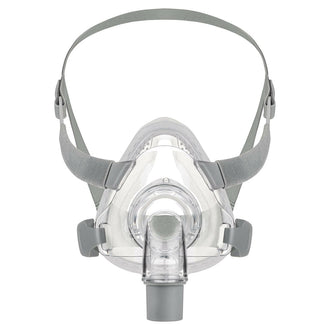
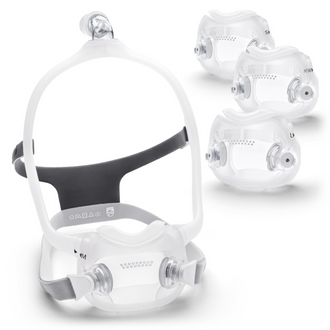
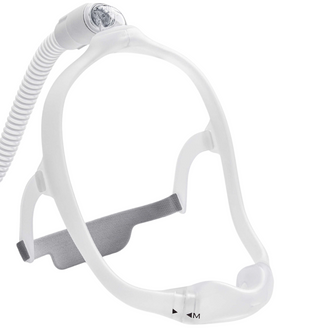
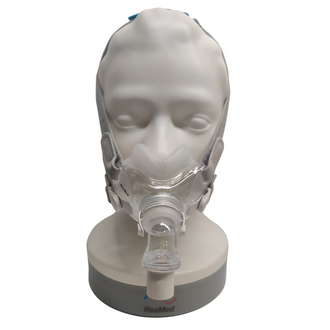
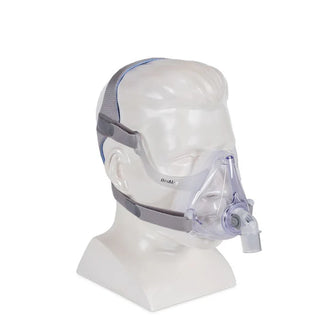
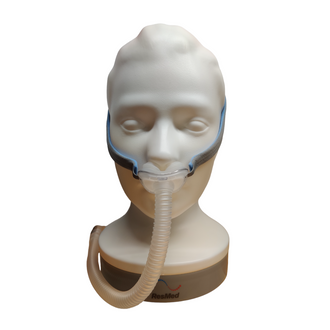
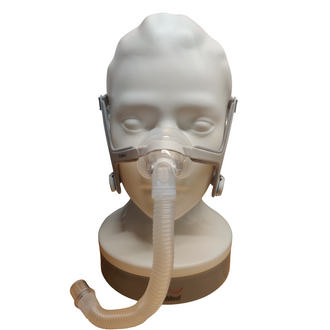
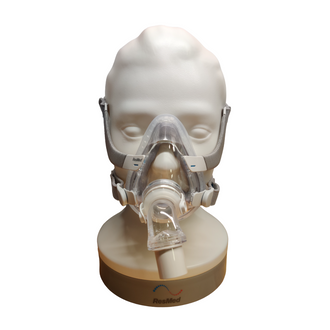
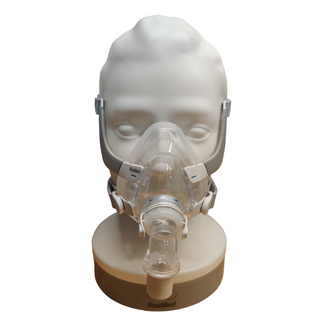
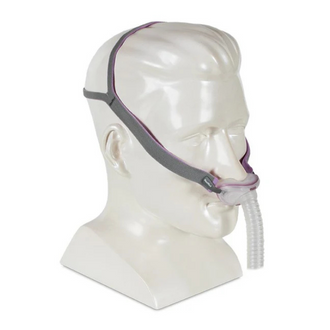
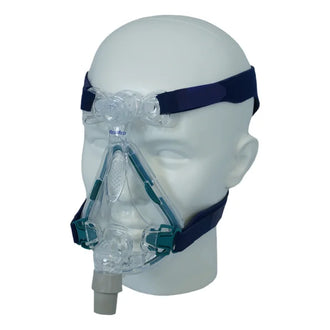
Knowing when to replace CPAP mask components helps maintain comfort, seal quality, and consistent therapy without unexpected issues during nightly use.
Replacing CPAP mask components at the appropriate time helps preserve comfort, maintain a proper seal, and support uninterrupted airflow during nightly therapy.
Why CPAP Mask Components Naturally Wear Over Time
CPAP masks are used for several hours every night and are exposed to constant movement, moisture from breathing, facial oils, and regular cleaning. Even with proper care, materials such as silicone cushions and elastic headgear gradually lose their original properties. Cushions may soften or stiffen, headgear can stretch, and plastic frames can lose shape. These changes are gradual and often unnoticed at first, but they directly affect how well the mask performs over time.
Identifying Cushion Wear And Seal Decline
Cushions are typically the first component to show signs of wear. Increased air leaks, reduced flexibility, visible cracking, or discomfort are common indicators. Users may notice they need to tighten straps more frequently to maintain a seal. When a cushion no longer adapts to facial contours, therapy can become inconsistent, and comfort may decline even if the rest of the mask appears intact.
When Headgear And Frames Should Be Replaced
Headgear endures constant tension and movement throughout the night. Over time, straps may stretch and lose elasticity, causing the mask to shift during sleep. Frames can also weaken or lose alignment, especially for users who move frequently. Replacing headgear or frames helps restore proper fit without relying on excessive tightening that can cause pressure points.
Smaller Components That Affect Overall Performance
Components such as clips, elbows, and connectors play an important role in airflow direction and secure attachment. Wear in these smaller parts can lead to subtle leaks or unstable connections that affect therapy quality. Because these issues are not always obvious, regular inspection helps prevent gradual performance decline.
Establishing A Proactive Replacement Approach
Rather than waiting for complete failure, evaluating comfort, seal quality, and stability on a routine basis helps maintain effective therapy. At Help Medical Supplies, we encourage users to replace components based on performance changes, not just visible damage. Proactive replacement supports consistent airflow, reduces nighttime disruptions, and helps CPAP therapy remain comfortable and dependable as part of a long-term sleep routine.