

Key Takeaways:
- Water Quality Affects Maintenance: Using mineral-free water helps reduce residue buildup and simplifies humidifier cleaning over time.
- Purified Water Can Be A Short-Term Option: Purified water may be used temporarily when distilled water is unavailable, with additional attention to cleaning.
- Consistent Care Supports Equipment Longevity: Daily water changes and regular cleaning help maintain humidifier performance and overall CPAP reliability.
At Help Medical Supplies, we often hear questions about what kind of water should be used in CPAP humidifiers. While distilled water is commonly recommended, it is not always available, which leads many users to ask whether purified water is a safe alternative. Understanding how different water types interact with CPAP equipment helps remove uncertainty and supports better daily care decisions.
CPAP humidifiers are designed to add moisture to airflow for comfort, but water quality can affect both performance and maintenance. Knowing how purified water compares to other options helps users protect their equipment while maintaining consistent humidification. We focus on explaining water use in a practical, straightforward way so CPAP care feels manageable rather than confusing. With the right information, users can make confident decisions that balance comfort, convenience, and long-term equipment care.
Understanding The Role Of Water In CPAP Humidification
CPAP humidification is designed to improve comfort during therapy, and water plays a central role in how that system functions night after night. When users ask can you use purified water in a CPAP machine, the question often starts with understanding why water is needed at all and how it interacts with the equipment.
Why CPAP Machines Use Water
CPAP machines use water to add moisture to the airflow delivered during therapy. Pressurized air can feel dry when used for long periods, especially overnight. Humidification helps reduce dryness in the nose and throat, making therapy more comfortable and easier to maintain consistently.
How Heated Humidifiers Work
Most modern CPAP machines include a heated humidifier chamber. Water placed in this chamber is gently warmed, allowing moisture to mix with the airflow before it reaches the mask. This process supports comfortable breathing without changing pressure delivery, which is why water choice becomes part of routine CPAP care.
Impact Of Water Quality On Humidification
Water quality affects more than just comfort. Minerals and impurities present in certain water types can leave residue inside the humidifier chamber over time. Understanding what type of water for cpap machine use helps protect equipment while maintaining effective humidification.
Why Water Choice Matters For Equipment Care
Using the right water helps reduce buildup inside the chamber and tubing. Residue can make cleaning more frequent and may shorten the lifespan of humidifier components. This is why many users focus on identifying the best water for a CPAP machine rather than treating all water types as equal.
Humidification And Therapy Comfort
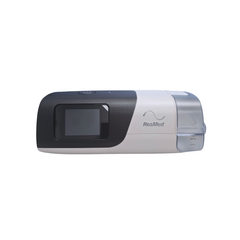
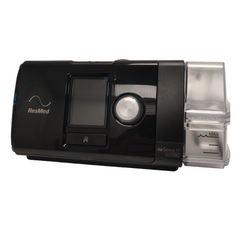
Comfort plays a major role in long-term CPAP use. At Help Medical Supplies, we help customers understand how water choice supports humidification performance and overall equipment care. Whether using a bedside machine like the ResMed AirSense 11 AutoSet or the ResMed AirSense 10 AutoSet with HumidAir, proper humidification practices help therapy feel smoother and more manageable night after night.

Types Of Water Commonly Used In CPAP Machines
Understanding the different water types used in CPAP humidifiers helps explain why some options are recommended over others and how each choice can affect both comfort and equipment care over time.
Distilled Water And Its Purpose
Distilled water is commonly recommended for CPAP use because it has been purified through a process that removes minerals and impurities. This lack of mineral content helps prevent residue from forming inside the humidifier chamber. Using distilled water reduces cleaning frequency and supports long-term humidifier performance, which is why many manufacturers reference it as the preferred option.
Purified Water Versus Distilled Water
Purified water is treated to remove contaminants, but it may still contain trace minerals depending on the purification method used. When users ask if purified water is safe in a CPAP machine, the key difference is that purified water is cleaner than tap water, but not always mineral-free. This distinction matters for humidifier care over time.
Minerals And Residue Considerations
Water containing minerals can leave white buildup inside humidifier chambers as water evaporates during use. This residue does not affect pressure delivery, but it can require more frequent cleaning and maintenance. Understanding how mineral content interacts with humidifier components helps users make informed water choices.
Short-Term Versus Long-Term Use Factors
In situations where distilled water is not available, some users consider alternatives temporarily. Questions such as Can you use spring water in cpap machine often arise in these scenarios. While short-term use may be manageable, long-term use of mineral-containing water increases maintenance needs.
Manufacturer Guidance On Water Selection
Manufacturers provide general recommendations to protect equipment and maintain performance. At Help Medical Supplies, we help customers understand how these guidelines apply to daily routines, so water choice supports comfort without creating unnecessary upkeep challenges.
Using Purified Water In CPAP Machines Safely
Using water in a CPAP humidifier is part of everyday therapy care, and questions around water choice often come up when distilled water is not readily available. When users ask, Can you use purified water in a CPAP machine, the answer depends on understanding how purified water interacts with humidifier components and long-term equipment care.
When Purified Water May Be Used
Purified water is often considered when distilled water is unavailable. While it is cleaner than tap water, it may still contain trace minerals depending on the purification process. For short-term use, purified water can support humidification, but users should be aware that mineral content may affect maintenance needs over time.
Effects On Humidifier Chambers And Equipment
Minerals left behind as water evaporates can collect inside the humidifier chamber. This buildup does not impact pressure delivery but may require more frequent cleaning. Understanding what type of water to use for cpap machine helps users protect humidifier components and reduce residue.
Manufacturer Guidance And Best Practices
Manufacturers typically recommend distilled water to minimize buildup and simplify care. That guidance reflects long-term equipment protection rather than immediate safety concerns. When comparing options, many users evaluate the best water for a CPAP machine based on availability, convenience, and maintenance expectations.
Resmed Airsense 11 Autoset Humidification
The ResMed AirSense 11 AutoSet includes an integrated heated humidifier designed to deliver consistent moisture during therapy. Using appropriate water supports humidifier performance and helps reduce cleaning frequency. Users relying on this machine often plan water use alongside regular care routines and replacement needs available through our CPAP Supplies collection.
Resmed Airsense 10 Autoset With Humidair
The ResMed AirSense 10 AutoSet with HumidAir uses a built-in heated humidifier to support comfort throughout the night. For users who travel or split time between locations, water availability may vary. Options like those in our Travel CPAP Machine collection help maintain therapy consistency when away from home, while guidance within our Resmed CPAP lineup helps users understand humidification features across machines. Following clear care practices, such as those outlined in our How To Clean CPAP resource, supports equipment longevity when purified water is used occasionally rather than regularly.

Cleaning And Maintenance When Using Different Water Types
Proper cleaning becomes especially important when different water types are used in a CPAP humidifier, as maintenance routines help protect equipment and support consistent performance.
- Preventing Mineral Buildup: Regular inspection of the humidifier chamber helps identify early signs of residue, allowing buildup to be addressed before it becomes difficult to remove.
- Cleaning Humidifier Chambers Properly: Gentle washing with appropriate cleaning methods helps remove residue and keeps humidifier components functioning as intended without damaging materials.
- Replacing Water Daily: Emptying and refilling the humidifier chamber each day helps reduce residue accumulation and supports consistent moisture delivery during therapy.
- Allowing Components To Dry Fully: Letting chambers and tubing air-dry between uses helps limit moisture retention and supports overall equipment hygiene.
- Maintaining Long-Term Equipment Performance: Consistent cleaning routines help extend the lifespan of humidifier components and keep CPAP therapy reliable over time.
Water Use Considerations For Travel And Daily CPAP Use
Water availability and daily habits can influence how CPAP humidification is managed, especially when routines change between home use and travel.
Managing Water Use During Travel
Travel often limits access to preferred water types, making advance planning important. Some users choose to lower humidification settings temporarily or plan short trips without humidification rather than introduce unfamiliar water types for extended use.
Daily Water Management At Home
At home, consistent water routines help keep humidity predictable. Checking water levels, emptying the chamber each morning, and refilling it before bedtime support smoother nightly therapy and easier equipment care.
Balancing Comfort And Convenience
When ideal water options are unavailable, balancing comfort with equipment maintenance becomes key. Short-term adjustments may help maintain comfort without increasing long-term cleaning demands.
Portable CPAP Use And Water Planning
Portable CPAP setups often emphasize convenience. Planning water use as part of packing and setup helps ensure humidification remains manageable while maintaining therapy consistency.
Planning Ahead For Therapy Continuity
At Help Medical Supplies, we encourage users to plan water use alongside their therapy routines. Thoughtful preparation helps CPAP therapy remain consistent, whether at home or on the go, without unnecessary disruption.
Choosing The Best Water Approach For Your CPAP Routine
Selecting the right water approach for CPAP humidification is about balancing comfort, equipment care, and practicality so therapy remains easy to manage over time.
Understanding Manufacturer Recommendations
Most manufacturers recommend distilled water to reduce mineral buildup and simplify cleaning. These recommendations are designed to protect humidifier components and support long-term equipment performance rather than address immediate safety concerns.
Evaluating Daily Use Habits
Daily routines play a role in water choice. Users who follow consistent cleaning and refilling habits may find it easier to manage humidification, while inconsistent routines can make residue buildup more noticeable when non-distilled water is used.
Avoiding Common Water-Related Mistakes
Common mistakes include leaving water in the chamber for multiple days or ignoring early signs of residue. Addressing these habits helps reduce maintenance effort and supports smoother therapy use.
Support And Guidance From Help Medical Supplies
At Help Medical Supplies, we help customers understand how water choice fits into overall CPAP care. We focus on practical guidance that supports comfort while protecting equipment from unnecessary wear.
Making Confident CPAP Care Decisions
When water use is understood and managed intentionally, CPAP therapy becomes easier to maintain. With clear information and thoughtful routines, users can approach humidification confidently and keep therapy running smoothly night after night.

Final Thoughts
Water use is an important part of CPAP humidification, and understanding the differences between water types helps protect both comfort and equipment. While distilled water is often recommended, real-world situations sometimes require flexibility. Knowing how purified water affects maintenance allows users to make informed choices rather than guess.
At Help Medical Supplies, we focus on providing practical guidance that fits into everyday routines. From humidifier care to replacement supplies, we help users understand how small habits can support long-term equipment performance.
With clear information and consistent care, CPAP humidification becomes easier to manage. Choosing the right water approach and maintaining regular cleaning routines helps therapy remain comfortable, predictable, and well supported night after night.
Frequently Asked Questions About Can You Use Purified Water In A CPAP Machine
Can you use purified water in a CPAP machine?
Purified water may be used temporarily when distilled water is unavailable. It is cleaner than tap water but may still contain minerals, which can increase cleaning needs over time.
What type of water is best for a CPAP machine?
Distilled water is commonly recommended because it does not contain minerals that can leave residue inside the humidifier chamber.
Is purified water safe in a CPAP humidifier?
Purified water is generally safe for short-term use. Long-term use may lead to mineral buildup depending on the purification method.
Can you use spring water in a CPAP machine?
Spring water contains natural minerals and is not typically recommended for regular CPAP use due to increased residue buildup.
Does water choice affect CPAP performance?
Water choice does not affect pressure delivery, but it can impact humidifier cleanliness and maintenance frequency.
Should CPAP water be changed daily?
Yes, changing the water daily helps reduce residue and supports cleaner humidification.
How does water choice affect cleaning routines?
Water with minerals may require more frequent cleaning to remove buildup from the humidifier chamber.
What should I do if distilled water is not available?
Using purified water temporarily and cleaning the humidifier more frequently can help maintain the equipment until distilled water is available again.