

Key Takeaways:
- Strong Performance Options: Both AirSense 10 and AirSense 11 provide reliable therapy, offering consistent airflow support backed by ResMed’s proven AutoSet technology.
- Different User Advantages: The AirSense 10 suits users who want simplicity and value, while the AirSense 11 appeals to those who prefer modern features and guided support.
- Decision Based on Routine: Choosing the right machine depends on your comfort preferences, data needs, and how seamlessly the device integrates into your nightly therapy routine.
At Help Medical Supplies, we take pride in offering equipment that supports real therapy needs with dependable performance and helpful guidance. Our customers trust us because we focus on clarity, comfort, and service that respects their time. Each order reflects our commitment to quality and thoughtful support. By providing trusted CPAP devices, accessories, and personalized assistance, we help individuals establish a therapy routine that feels steady, manageable, and tailored to their comfort goals.
Choosing between the ResMed AirSense 10 vs 11 begins with understanding how each device approaches comfort, design, and daily usability. Both models deliver steady support for sleep apnea therapy, yet the experience they offer can feel very different depending on personal preferences and routine. The comparison highlights how each machine handles features like pressure response, interface style, and humidification, helping users recognize which option aligns more naturally with their nightly comfort needs.
In this blog, we will explore how the ResMed AirSense 10 vs 11 differ in features, comfort tools, and long-term usability to help you choose the model that aligns with your therapy needs.
ResMed AirSense 10 And 11: Core Features And Major Updates
The ResMed AirSense 10 and AirSense 11 represent two advanced-generation devices within the broader family of ResMed CPAP machine options, each designed to support reliable and comfortable therapy. Both machines deliver steady pressure, integrated humidification, and user-friendly features, but each model approaches the therapy experience with its own style.
Design Improvements That Support Ease Of Use
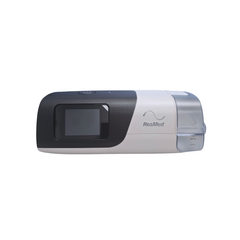
The AirSense 11 introduces a modern, streamlined design with a responsive touchscreen interface. The AirSense 10 maintains a traditional layout with tactile buttons favored by users who prefer a familiar setup. Both machines offer compact builds that fit easily on a bedside table.
Pressure Delivery And Therapy Performance
Both models utilize ResMed’s trusted AutoSet algorithm, which is designed to respond to breathing patterns throughout the night. The AirSense 11 offers updated processing that supports smoother transitions and more refined pressure adjustments, helping enhance comfort for users sensitive to changes in airflow.
Humidification And Comfort Enhancements
Each device features integrated HumidAir technology, which helps reduce dryness and irritation. When paired with ClimateLineAir heated tubing, users gain additional moisture stability. The AirSense 11 features optional enhancements, including interactive guidance that supports new users during setup.
Data Handling And Connectivity Options
The AirSense 10 AutoSet available through Help Medical Supplies includes the Card-to-Cloud version, which stores data locally for manual review, as well as wireless connectivity. The AirSense 11 supports wireless connectivity, enabling mobile app insights, remote updates, and simplified therapy tracking. Both options deliver accurate sleep data, but they vary in how users access this information.
Noise Level And Nighttime Comfort
Both the AirSense 10 and AirSense 11 are designed for quiet operation to support undisturbed sleep. According to manufacturer specifications, the AirSense 10 operates at a slightly lower sound level, making it the quieter option on paper. In real-world use, however, both machines remain unobtrusive, offering a comfortable therapy experience for light sleepers and those sharing a bedroom.

Pros, Limitations, And Ideal Users For Each Model
Choosing between the ResMed AirSense 10 and AirSense 11 depends on comfort needs, technology preferences, and long-term therapy goals. Each device supports dependable sleep apnea treatment, but they offer different advantages depending on how users interact with their equipment. Understanding the difference between ResMed 10 and 11 helps users compare comfort settings, connectivity features, and long-term therapy needs before choosing a device.
Strengths Of The AirSense 10 For Everyday Use
The AirSense 10 AutoSet remains a familiar, trusted option for many CPAP users. Its button-based interface appeals to those who prefer a straightforward layout. The device offers reliable performance, built-in humidification, and solid durability, making it a dependable choice for nightly therapy.
Strengths Of The AirSense 11 For Modernized Comfort
The AirSense 11 AutoSet introduces several upgrades that improve usability and personalization. Its touchscreen, enhanced setup tools, and updated AutoSet algorithm support a more intuitive experience. Users who value digital connectivity and guided support may find this model especially helpful.
Limitations To Consider With The AirSense 11
The AirSense 11’s advanced features come at a higher price point. Some users may also prefer the tactile buttons of the AirSense 10 if they find touchscreens less comfortable to use at night. The newer design may require a brief adjustment period for those accustomed to older models.
Ideal Users For Each Device
The AirSense 10 suits individuals who want proven performance, simpler interfaces, and a lower cost option. The AirSense 11 fits those who appreciate modern features, mobile tools, and refined pressure responsiveness. Both models deliver dependable performance within the broader range of ResMed CPAP systems, allowing users to choose the machine that best aligns with their therapy style and comfort priorities.
Accessories That Enhance The AirSense Therapy Experience
Accessories help AirSense 10 and 11 users maintain comfort, improve airflow stability, and support consistent nightly therapy.
- Heated Tubing Benefits: Heated tubing helps prevent condensation, maintains warm airflow, and supports smoother humidification, making therapy more comfortable for users sensitive to dryness or temperature fluctuations.
- Humidifier Chamber Support: Clean, well-maintained chambers enhance moisture balance and reduce irritation, thereby helping users who rely on humidification for easier breathing during sleep.
- Filter Replacement Needs: Regular filter changes help maintain clean airflow and optimal machine performance. Many users stock up on CPAP Supplies to support better air quality and reduce strain on their device, especially in homes with dust, pets, or seasonal allergens.
- Mask Cushion Refresh: New cushions provide a better seal, reduce leaks, and enhance comfort, especially for users who frequently shift positions or experience wear from nightly use.
- Travel & Power Accessories: Portable batteries, travel cases, and power cords help ensure therapy continues smoothly during outages, trips, or nights away from home.
Together, these accessories help users create a setup that feels more comfortable, more consistent, and better aligned with their nightly routine.

Comparing CPAP, BiPAP, And Oxygen Concentrators For Different Therapy Needs
Sleep and respiratory therapies vary widely, and understanding how each device functions helps users choose equipment that supports their health goals.
How CPAP Supports Airway Stability During Sleep
CPAP machines deliver continuous air pressure to keep the airway open throughout the night. They are the primary therapy for obstructive sleep apnea and help reduce snoring, breathing pauses, and sleep disruptions. CPAP is ideal for users who need consistent, steady airflow without pressure fluctuations.
How BiPAP Assists Users Who Need Dual Pressure Support
BiPAP machines offer two separate pressure levels, one for inhaling and one for exhaling. This design helps individuals who have difficulty exhaling against a single pressure level or who require more advanced support. BiPAP devices are often used for central sleep apnea, COPD, or conditions that impact respiratory strength. They offer more flexibility for users who require tailored airflow.
How Oxygen Concentrators Support Breathing Outside Of Sleep Therapy
Oxygen concentrators deliver purified oxygen to individuals with low oxygen levels due to medical conditions. Unlike CPAP or BiPAP machines, they do not provide airway pressure; instead, they increase the oxygen concentration in the air a user breathes. Portable and home concentrators are helpful for users who need consistent oxygen supplementation day or night.
When CPAP, BiPAP, Or Oxygen Therapy Is Recommended
CPAP is recommended for obstructive sleep apnea. BiPAP is used when patients require more advanced respiratory assistance or have difficulty with standard CPAP. Oxygen concentrators support individuals diagnosed with low blood oxygen levels unrelated to airway collapse. Each device addresses a distinct therapy need.
How These Therapies Work Together When Needed
Some individuals benefit from using more than one device depending on their condition. For example, a user may rely on CPAP for sleep and use an oxygen concentrator during the day. Understanding how these devices complement one another helps users build a complete therapy plan that supports both nighttime breathing and daytime comfort.
Choosing A Setup That Matches Therapy Goals And Daily Routine
Selecting between AirSense machines and supporting products depends on individual comfort needs, lifestyle habits, and long-term therapy expectations.
Matching Machine Features To Daily Comfort Needs
Some users prefer a straightforward interface, while others prioritize digital tools or advanced pressure responsiveness. The AirSense 10 suits individuals seeking consistency with fewer interface changes, while the AirSense 11 appeals to those who value touchscreen control and enhanced guidance features. Choosing a machine that feels intuitive helps encourage steady use and smoother nightly routines.
Considering Sleep Position And Breathing Preferences
The way a person sleeps influences which masks and accessories create the most stable setup. Side sleepers may benefit from masks that maintain a reliable seal during movement, while mouth breathers often choose full-face masks for steady airflow support. Pairing an AirSense device with the right mask style strengthens therapy effectiveness.
Evaluating Lifestyle, Travel, And Mobility Factors
Users who travel frequently may want a secondary device, such as a Travel CPAP Machine, to maintain consistent therapy when away from home. Portable power solutions can also help support uninterrupted airflow during flights, hotel stays, or power outages.
Building Comfort With Humidification And Tubing Options
Humidity levels and tubing flexibility influence long-term comfort. Heated tubing helps reduce condensation, while updated water chambers maintain moisture stability. Adjusting these elements to personal comfort preferences helps users stay committed to therapy with either AirSense model.
Aligning Budget With Long-Term Therapy Goals
Both AirSense models offer strong performance, but the AirSense 10 is often favored for its lower cost, while the AirSense 11 offers advanced features at a higher investment. Balancing affordability, long-term usage, and desired technology ensures users select a setup that supports both comfort and consistency.
Cleaning And Maintenance Guidelines For Reliable CPAP Use
Consistent cleaning and maintenance support better airflow, healthier breathing, and longer equipment life for both AirSense models. Following guides such as How To Clean CPAP helps users understand proper mask care, tubing rinsing, humidifier maintenance, and filter replacement.
- Daily Mask Cleaning: Wipe the cushion with mild soap and warm water to remove oils, which helps maintain a secure seal and prevents irritation or buildup that can affect nightly comfort.
- Weekly Tubing Rinse: Wash the tubing with gentle soap and allow it to air-dry completely to prevent moisture accumulation, which can cause odors or reduce airflow quality.
- Humidifier Chamber Care: Rinse the water chamber daily and thoroughly clean it weekly to prevent mineral deposits, ensuring steady moisture delivery and optimal long-term performance.
- Filter Replacement Schedule: Replace disposable filters monthly or sooner if exposed to dust or pets, to help maintain clean airflow and reduce strain on the machine.
- Mask Headgear Inspection: Check the straps for stretching or wear and replace them when needed to maintain a proper fit and reduce leaks during nighttime movement.
Routine maintenance helps extend equipment life and supports a smoother, more comfortable therapy experience every night.

Final Thoughts
Choosing between the ResMed AirSense 10 and AirSense 11 comes down to the features that matter most to your nightly comfort and long-term therapy routine. Both machines deliver dependable support, but each offers a different experience. The AirSense 10 provides proven reliability and a familiar interface at a lower cost. At the same time, the AirSense 11 offers modern conveniences, refined controls, and enhanced guidance for users who want a more streamlined setup.
The most crucial step is selecting a device that feels natural to use every night. Pairing the right machine with the right mask and accessories helps create a setup that encourages consistent therapy and comfortable breathing.
At Help Medical Supplies, we focus on offering trusted equipment along with clear guidance, so you can choose a system that supports steady progress and a more restful sleep experience.
Frequently Asked Questions About ResMed AirSense 10 Vs 11
What is the main difference between the AirSense 10 and AirSense 11?
The AirSense 11 offers a touchscreen, updated comfort tools, and wireless connectivity, while the AirSense 10 Card-to-Cloud provides manual data transfer and a classic button interface.
Does the AirSense 11 treat sleep apnea better than the AirSense 10?
Both machines deliver effective therapy using ResMed’s AutoSet algorithm. The AirSense 11 features refined processing, but the therapeutic outcome remains strong for both devices.
Which device is better for new CPAP users?
Many new users appreciate the AirSense 11 because of its guided setup, touchscreen controls, and app support. The AirSense 10 suits users who prefer a straightforward and familiar interface.
Are accessories interchangeable between the AirSense 10 and 11?
Masks, standard tubing, filters, and heated tubing are compatible across both models, while humidifier chambers and power supplies differ. Users should verify the compatibility of model-specific components before purchasing replacements.
Is the AirSense 10 still a good choice for purchasing?
Yes. The AirSense 10 AutoSet remains a reliable, affordable, and widely trusted option. It offers strong performance for users who don’t require wireless data transmission.
Do both machines work with heated tubing?
Yes. Both devices support ClimateLineAir heated tubing, which helps maintain stable humidity and reduces condensation during nighttime therapy.